The dust may have settled on this year’s World Stroke Day, but health experts say the message must continue to echo across Uganda stroke is no longer a disease of the elderly. Increasingly, young Ugandans under 50 are falling victim to a condition that can change lives in seconds. This year’s global campaign, themed “Young Stroke” , highlighted the alarming rise of stroke cases among young adults.
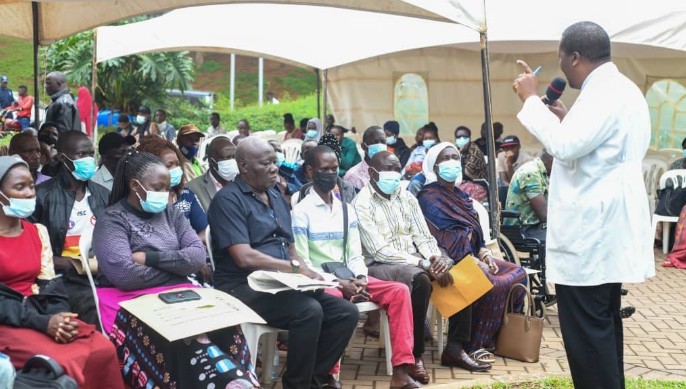
Across Uganda, survivors and medical professionals rallied to spread awareness, with heartfelt testimonies that underscored the urgent need for prevention and early response. At Mulago National Referral Hospital, the day was marked with a free medical camp offering screening and consultations for stroke patients and the general public. The event, held at the hospital’s parking grounds, attracted hundreds of participants eager to learn about prevention and recovery. “Patients with stroke develop symptoms that affect their nervous systems, and we have specialists the neuro physicians attending to them,” said Dr. Rosemary Byanyima, Executive Director of Mulago Hospital.

She emphasized that stroke is a preventable medical emergency if detected early. Senior Consultant Physician Dr. Stephen Matovu Muwonge explained that stroke can occur when blood flow to the brain is interrupted, either by a blockage or a burst vessel, leading to the death of brain cells from lack of oxygen. “It can affect movement, feelings, or even cause unconsciousness,” he noted. Beyond hospitals, a growing movement of survivors is turning personal pain into purpose. Three Ugandan women Grace Sentamu, Dr. Judy Orikiriza, and Mary Muhumuza have emerged as strong advocates under their initiative, Hope After Stroke Uganda . Grace, once a bank manager, suffered a stroke at 37 and now uses her story to inspire others. “My son is my biggest motivation to continue in my recovery journey,” she shared.
Dr. Orikiriza, a pediatric immunologist, rebuilt her life after losing her ability to walk, speak, and read during recovery. She now teaches medical students, using her experience as a lesson in resilience. Muhumuza, who suffered a stroke despite having a “clean bill of health,” now leads a consultancy that promotes wellness and mental health. Health experts warn that up to 80% of strokes can be prevented through lifestyle adjustments controlling blood pressure, exercising, reducing stress, and avoiding smoking or excessive alcohol. They urge the public to remember the FAST rule: F – Face drooping, A – Arm weakness, S – Speech difficulty, T – Time to seek emergency help.
As Uganda looks beyond October 29, survivors and medics agree: the fight against stroke is year- round, and awareness is the first lifeline. 💬 Neve r give up,” say the women of Hope After Stroke Uganda, a message of courage for a nation too young to ignore the warning signs.
By Staff Reporter