2025 marked a year of steady growth and national resilience for Uganda, with gains across the economy, health, infrastructure, environment, and human capital. From stabilizing prices to advancing oil projects and strengthening conservation, the country laid firm foundations for 2026 and beyond.
Robust Economic Growth
In the 2024/2025 financial year, Uganda recorded 6.3 percent real GDP growth, according to the World Bank. This growth occurred nationwide and was driven by strong performance in agriculture, industry, services, and a recovering tourism sector. Public infrastructure investments, increased household consumption, and improved export performance fueled expansion. Inflation remained low at 3.5 percent, protecting purchasing power and stabilizing prices. As a result, poverty levels declined and job creation expanded across regions. Uganda emerged as one of East Africa’s fastest-growing economies, strengthening investor confidence and positioning the country for sustained medium-term growth.
 Inflation Containment Success
Throughout 2025, Uganda maintained headline inflation between 3.5 and 3.9 percent, despite global supply shocks and currency pressures. This achievement was led by the Bank of Uganda, through tight monetary policy, prudent interest-rate management, and coordination with fiscal authorities. Stable food production and improved supply chains further eased price pressures. Low inflation preserved household incomes, stabilized business costs, and supported economic planning. By keeping prices predictable, Uganda strengthened macroeconomic credibility, protected vulnerable populations, and created a stable environment for investment, growth, and long-term fiscal sustainability.
Shilling Appreciation Milestone
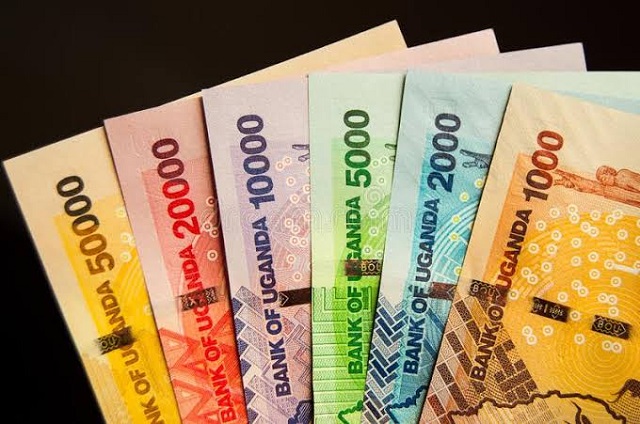
In July 2025, the Ugandan shilling appreciated by 0.5 percent, averaging Shs 3,586 per US dollar, marking one of Africa’s strongest currency performances that year. This occurred due to improved export earnings, disciplined monetary policy, and stronger foreign exchange inflows from tourism and commodities. The appreciation reduced import costs, eased inflationary pressures, and boosted investor confidence. A stronger shilling enhanced Uganda’s regional trade competitiveness and supported long-term ambitions toward a high-value, export-driven economy, aligned with national targets such as reaching upper-middle-income status by 2040.
Ebola Outbreak Containment
The Sudan Ebola outbreak, first detected in Kampala on January 30, 2025, was officially declared over on April 26, 2025, after affecting 14 cases and causing four deaths. The Ministry of Health, working with international partners, implemented rapid contact tracing, isolation, community surveillance, and vaccine trials. These measures prevented wider transmission in urban and rural areas. Uganda’s swift response demonstrated strong public health preparedness, protected regional health security, and earned international recognition as a model for epidemic containment in low-resource settings.
Major US Health Funding Agreement
On December 10, 2025, Uganda signed a five-year, USD 2.3 billion bilateral health agreement with the United States in Kampala. The agreement focuses on disease prevention, health system strengthening, workforce development, and improved access to essential services. This historic investment supports millions of Ugandans by expanding healthcare infrastructure, enhancing epidemic preparedness, and improving service delivery. The partnership reinforces Uganda’s commitment to universal health coverage and positions the country as a regional leader in public health resilience, innovation, and long-term human capital development.
Emergency Medicine Advancements
On June 2, 2025, Uganda launched its first national Emergency Medical Services (EMS) report in Kampala, led by the Ministry of Health with development partners. The report assessed emergency care capacity, response times, infrastructure gaps, and workforce readiness across the country. This milestone formally recognized emergency medicine as a critical pillar of the health system. By identifying gaps and setting standards, Uganda improved coordination of ambulances, referrals, and trauma care. The initiative strengthens life-saving response capabilities, especially during accidents, disasters, and medical emergencies, ultimately reducing preventable deaths nationwide.
Oil Sector Progress Toward First Production
By mid-2025, Uganda had drilled over 100 oil wells under the Tilenga and Kingfisher projects, raising recoverable reserves to 1.65 billion barrels. Led by government and private partners, including TotalEnergies, project development reached 60–74 percent completion. Activities occurred mainly in the Albertine Graben, creating thousands of jobs and local supply opportunities. Infrastructure construction, well pads, and processing facilities advanced steadily. First oil is targeted for 2026, positioning petroleum as a major revenue source to finance infrastructure, social services, and industrial growth.
 EACOP Pipeline Milestone
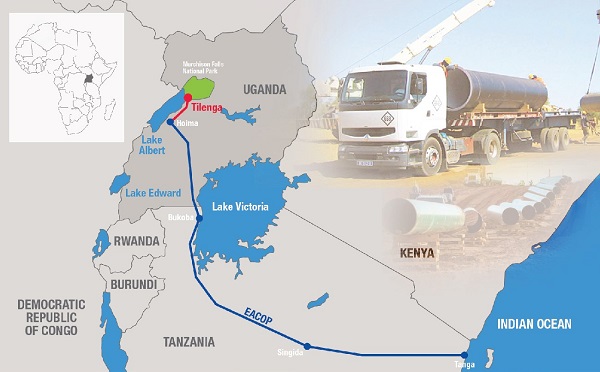
By November 2025, construction of the East African Crude Oil Pipeline (EACOP) had reached 75 percent completion, with over USD 3.3 billion invested. This 1,443-kilometre pipeline, running from western Uganda to Tanzania’s coast, is a joint regional project supporting Uganda’s oil exports. The pipeline strengthens energy security, regional integration, and export logistics. Thousands of Ugandans benefited from jobs, skills transfer, and local procurement. As completion nears in 2026, EACOP is expected to unlock oil revenues, boost foreign exchange earnings, and support long-term economic transformation.
Tourism Excellence Award Win
On November 1, 2025, Uganda won the Swiss Tourism Excellence Award in the “Natural Paradise” category at the Swiss International Holiday Expo in Lugano. This marked Uganda’s debut win at the prestigious global tourism platform. The award recognized Uganda’s biodiversity, conservation efforts, and sustainable tourism practices. It showcased destinations such as national parks, wildlife reserves, and cultural heritage sites. The recognition boosted Uganda’s international profile, strengthened destination branding, and reinforced confidence among global tour operators, positioning tourism as a major driver of jobs, foreign exchange, and community livelihoods.

Tourism Recovery and Growth
By 2025, Uganda’s tourism sector had fully recovered from COVID-19 disruptions, with earnings exceeding USD 1.5 billion, surpassing pre-pandemic levels. Recovery was driven by improved infrastructure, aggressive destination marketing, and events such as World Tourism Day celebrations in Arua on September 27. Visitor arrivals increased across wildlife, cultural, and conference tourism segments. Tourism growth supported hotels, transport, artisans, and community enterprises nationwide. The sector reasserted itself as one of Uganda’s top foreign exchange earners, contributing to employment creation, regional development, and economic diversification.
Mountain Gorilla Conservation Success
 In 2025, Uganda strengthened conservation of its endangered mountain gorillas, which make up over half of the world’s population. Efforts focused on Bwindi Impenetrable and Mgahinga National Parks, combining eco-tourism, habitat protection, and community benefit-sharing. Revenue from regulated gorilla tourism funded conservation activities and local livelihoods. Improved monitoring and veterinary interventions enhanced gorilla survival rates. These initiatives preserved biodiversity while promoting sustainable tourism. Uganda’s success demonstrated how conservation, tourism, and community development can coexist, reinforcing global confidence in the country’s environmental stewardship.
Athletics Achievements at World Championships

Chelangat (L) Chasang C) and Chekwel during an international competition
Between September 13 and 21, 2025, Uganda competed at the World Athletics Championships in Tokyo, qualifying 17 athletes. Ugandan runners excelled in long-distance events, reflecting years of investment in training programs, coaching, and sports infrastructure. These performances strengthened national pride and Uganda’s reputation as a distance-running powerhouse. Athletics success also inspired youth participation in sports and reinforced the role of athletics in talent development and international representation. The achievements highlighted sports as a soft-power tool that promotes unity, discipline, and global visibility.
Basketball Victory in AfroBasket Qualifiers
In 2025, Uganda’s women’s national basketball team, the Gazelles, won the FIBA AfroBasket Zone 5 qualifiers, securing qualification for the continental championship. The victory reflected growing investment in women’s sports, improved coaching, and youth talent development. Matches were played within the East African region, drawing strong public support. This achievement promoted gender inclusion, elevated women’s sports visibility, and encouraged grassroots basketball participation. Uganda’s qualification strengthened national pride and demonstrated progress in building competitive, inclusive sports systems beyond traditional athletics.
Infrastructure Borrowing for Development
In December 2025, Uganda secured USD 608 million in loans from international lenders to finance critical infrastructure projects. Approved by Parliament, the funding targeted roads, energy, and transport systems across the country. These investments aimed to improve connectivity, reduce transport costs, and support industrialization. Infrastructure expansion enhances market access for farmers, businesses, and exporters while stimulating job creation. The borrowing aligned with Uganda’s development strategy of using infrastructure as a foundation for long-term economic growth and regional integration.
Road Upgrades in Western Uganda

Maintenance and rehabilitation works on Mubende— Kyegegwa—Kyenjojo road.
During 2025, the government launched major road upgrades covering 125 kilometres in districts such as Kamwenge and Kyenjojo. Funded through national development budgets, the projects improved rural mobility, trade access, and tourism connectivity. Better roads reduced travel times, lowered vehicle operating costs, and enhanced access to markets and social services. These upgrades supported agricultural commercialization and strengthened links to tourism sites in western Uganda. Infrastructure improvements contributed directly to regional economic inclusion and balanced national development.
Education Budget Increase
For FY2025/2026, Uganda increased its education budget to UGX 5,072 billion, up from the previous year. The allocation supported teacher housing, school rehabilitation, instructional materials, and digital learning initiatives. This investment targeted improved access, quality, and retention across primary, secondary, and tertiary education. Increased funding addressed infrastructure gaps and enhanced learning environments nationwide. Education spending reinforced Uganda’s commitment to human capital development, ensuring that a growing youth population acquires skills necessary for employment, innovation, and national development.
ICT Integration in Education
On September 11, 2025, Uganda advanced digital learning through a national ICT-in-education webinar held in Kampala, led by the Ministry of Education and Sports in partnership with UNESCO. The initiative promoted digital tools, teacher training, and online learning platforms. It aimed to modernize classrooms, expand access, and bridge the digital divide. ICT integration improved teaching quality, prepared learners for the digital economy, and aligned Uganda’s education system with global technological trends.

Shs 3.2 billion Ruhiija Seed Secondary School built under the UgIFT Seed Schools Program
Green Climate Fund Award
On November 2, 2025, Uganda received USD 31 million from the Green Climate Fund for forest conservation, marking Africa’s first results-based payment under the fund. The award recognized verified reductions in carbon emissions through sustainable forest management. Funds supported community conservation, ecosystem restoration, and climate resilience. This milestone positioned Uganda as a leader in climate accountability and environmental finance, setting a precedent for performance-based climate funding across the continent.
Leadership in Global Environmental Commitments
In August 2025, Uganda ranked among global leaders in implementing international environmental agreements, according to reports by National Environment Management Authority. Progress was recorded in biodiversity protection, climate action, and environmental governance. Strong coordination across ministries ensured compliance with global commitments while supporting national development goals. Uganda’s leadership demonstrated that environmental protection and economic growth can advance together, reinforcing sustainability as a core pillar of national policy.
Coffee Production Surge
For the 2025/2026 crop year, Uganda’s coffee production increased by 15 percent, exceeding 7 million bags and generating USD 2.09 billion in export earnings. Growth was driven by maturing coffee trees, improved extension services, and value addition. Coffee remained Uganda’s leading export commodity, supporting millions of farmers and rural livelihoods. Higher yields strengthened foreign exchange inflows and enhanced Uganda’s competitiveness in global coffee markets, reinforcing agriculture as a cornerstone of economic resilience.

Uganda ranked top Africa’s Coffee exporter earning $2.4 billion by year end 2025
Precision Agriculture Innovation
In 2025, Ugandan farmers adopted digital precision agriculture tools, reducing fertilizer costs by 30 percent and increasing yields by 15 percent. Platforms supported by agricultural partners enabled data-driven decisions on planting, input use, and pest control. These innovations transformed subsistence farming into more efficient, market-oriented production. Precision agriculture improved incomes, reduced environmental impact, and strengthened food security. The shift demonstrated how technology can modernize agriculture and support sustainable rural development.
Digital Inclusion Projections
In November 2025, digital economy reports projected that expanded digital access could create 1.79 million jobs by 2030 in Uganda. Advocated by the GSMA, the findings emphasized affordable connectivity, skills development, and innovation ecosystems. Digital inclusion was identified as a catalyst for youth employment, revenue mobilization, and service delivery. These projections reinforced the importance of ICT investment as a driver of inclusive economic growth.
SDG Leadership and Partnerships
Between July and September 2025, Uganda advanced the Sustainable Development Goals (SDGs) through strong partnerships and innovative programs, as reported by the Office of the Prime Minister. Progress was made in health, education, climate action, and poverty reduction. Multi-sector collaboration strengthened implementation and accountability. Uganda’s SDG leadership demonstrated commitment to inclusive development aligned with global frameworks while addressing local priorities.
Human Capital Development Review
In July 2025, the World Bank launched Uganda’s Human Capital Development Review, assessing gains in education, health, and workforce readiness. The review guided policy reforms aimed at improving productivity, equity, and long-term growth. Findings informed investments in skills, nutrition, and healthcare. By prioritizing human capital, Uganda reinforced the foundation for sustainable economic transformation and competitiveness.
Sustainable Tourism Awards
On December 10, 2025, during the Ekkula Festival in Kampala, eco-tourism champions such as Nkuringo Safaris were recognized for sustainable practices. The awards celebrated conservation, community engagement, and responsible tourism. Honorees demonstrated how tourism can protect ecosystems while generating local benefits. The recognition reinforced Uganda’s commitment to green tourism and positioned sustainability as a core principle in tourism development.
Uganda Heads to the Polls – January 15, 2026

Security agencies deployed early coordination measures to safeguard public order, while civic institutions emphasized peaceful participation. The election period represents a critical democratic milestone, shaping leadership choices and policy direction as Uganda transitions into the next development phase beyond 2025.