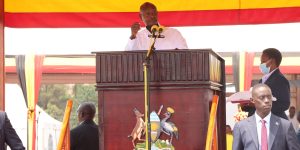
HE-the president of Uganda and CIC addressing citizens during the 40th NRM victory day anniversary at Kololo
Uganda’s economy is growing at around 7% annually, a milestone highlighted during thecelebrations on January 26, 2026. President Yoweri Museveni emphasized this progress at Kololo Ceremonial Grounds, crediting National Resistance Movement (NRM) policies for integrating 70% of Ugandans into the money economy.
Liberation Day Context
The event marked 40 years since NRM forces captured Kampala in 1986, themed “A Tribute to the Patriots Who Ushered in the Fundamental Change.” Museveni outlined economic phases from post-war recovery to diversification, value addition, and a knowledge-based shift. He pledged priorities like wealth creation, free education, industrialization, peace, and poverty eradication in his seventh term after January 2025 elections.
Economic Growth Drivers
GDP growth hit 6.3% in FY 2024/25 and is projected at 6.5-7% for FY 2025/26, outpacing Africa’s 3.9% average, with the economy expanding to $68.4 billion. Key factors include stable 3.1% inflation. Africa’s lowest in a decade, agriculture, industry, services buoyancy, and 65% local goods meeting domestic demand. Permanent Secretary Ramathan Ggoobi noted resilient performance despite global pressures and election-year norms.
Oil and Future Prospects
Oil production startup promises double-digit growth, resisted external pressures to retain resource control. President Museveni highlighted locally dominant supermarket products and investments in agriculture, manufacturing, ICT, and minerals like iron ore, gold, copper. Challenges remain for the 30% still in subsistence, rooted in colonial structures.