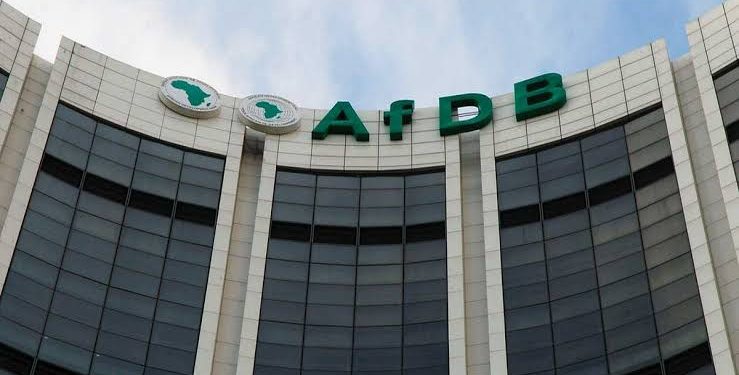

In a major push to electrify Africa, the African Development Bank (AfDB) has approved $3.9 million (about Sh503 million) in funding for 13 countries. This two-year initiative, known as AESTAP Mission 300 Phase II, will help turn ambitious energy plans into real-world electricity connections for millions of households, schools, hospitals, and businesses.
The funding supports Mission 300, a bold AfDB-World Bank partnership aiming to connect 300 million Africans to power by 2030. Across the continent, over 600 million people still lack reliable electricity, stalling economic growth, education, and healthcare. National Energy Compacts, roadmaps launched by dozens of governments last year—promise expanded access, stronger utilities, and private investment. Yet, many hit snags in regulation, planning, and funding.
 This new Power Boost Fund targets those hurdles head-on in Chad, Gabon, Tanzania, Mauritania, the Democratic Republic of Congo (DRC), Kenya, Nigeria, Madagascar, Ethiopia, Malawi, Lesotho, Namibia, and Uganda. For Uganda, it means bolstering efforts to electrify rural areas and boost industries through the rising energy demands.
Key Features of the Program
-
Regulatory Overhaul: Improves electricity rules, planning, and tariffs to draw investors and cut utility losses.
-
Expert Support: Places advisers in National Compact Delivery Units to align ministries and monitor progress.
-
Data and Collaboration: Uses tools like the Electricity Regulatory Index and regional forums for peer learning and reliability gains.
Wale Shonibare, AfDB’s Director of Energy Financial Solutions, Policy and Regulation, emphasized: “This ensures commitments become real connections for households, entrepreneurs, and communities.”
Building on Phase I, approved in December 2025 with $1 million (Sh129 million) to set up delivery units. Phase II coordinates with the World Bank and others. Together, they aim for universal access by 2030, potentially transforming Africa’s energy landscape.